Beyond the Whiteboard: Why Today's Classrooms Need Digital Tools
AI, cloud tools and Miro boards are reshaping how students learn - here's what a traditional classroom is missing.
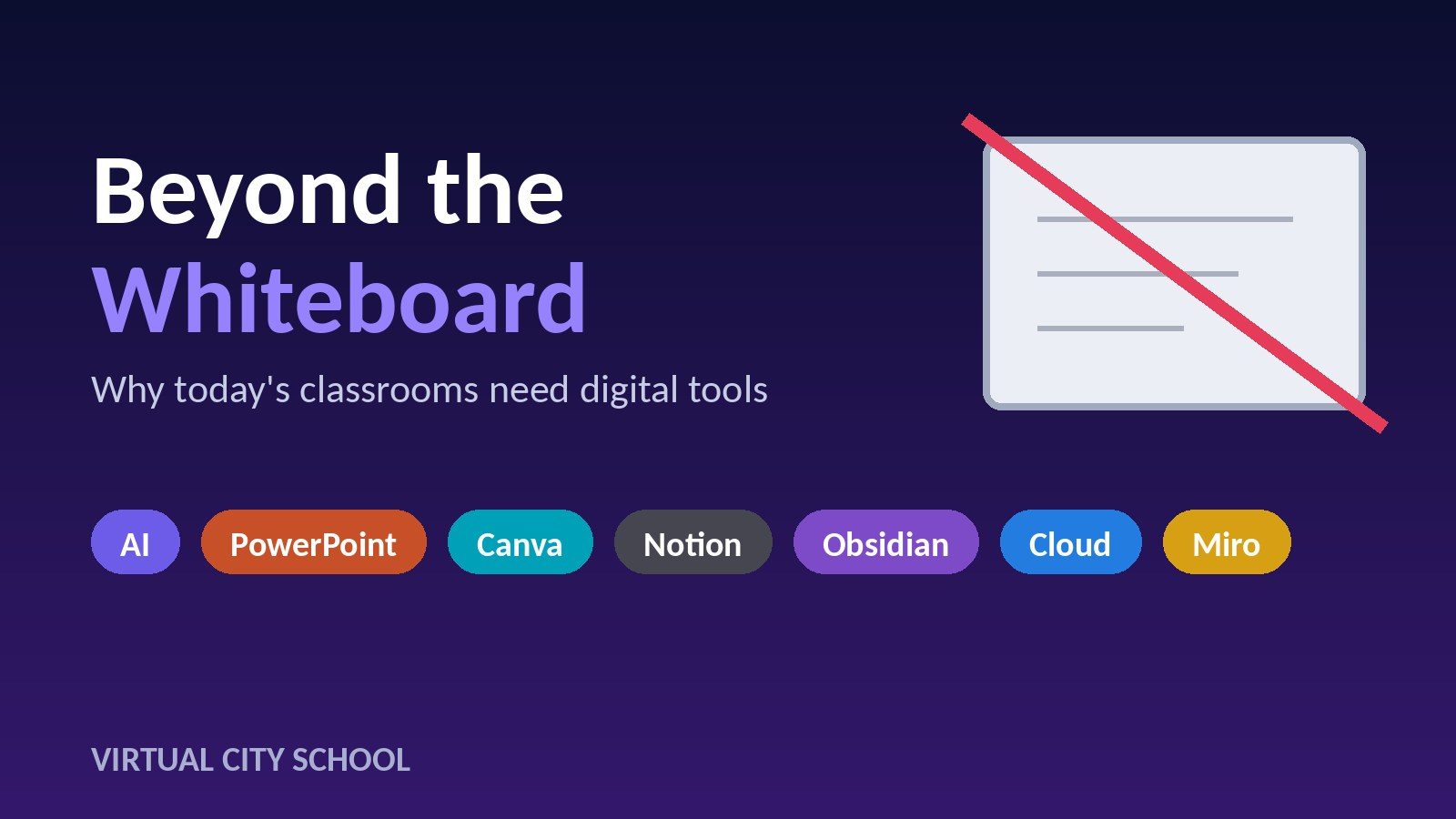
Today's students are growing up in a world shaped by artificial intelligence, cloud computing and constant digital collaboration. Yet many classrooms still depend on a single whiteboard and a marker, a teaching method that has barely changed in a century.
The skills universities and employers now expect are different. Students must research quickly, organise information, present ideas clearly and work with others across distances. Digital tools make all of this possible.
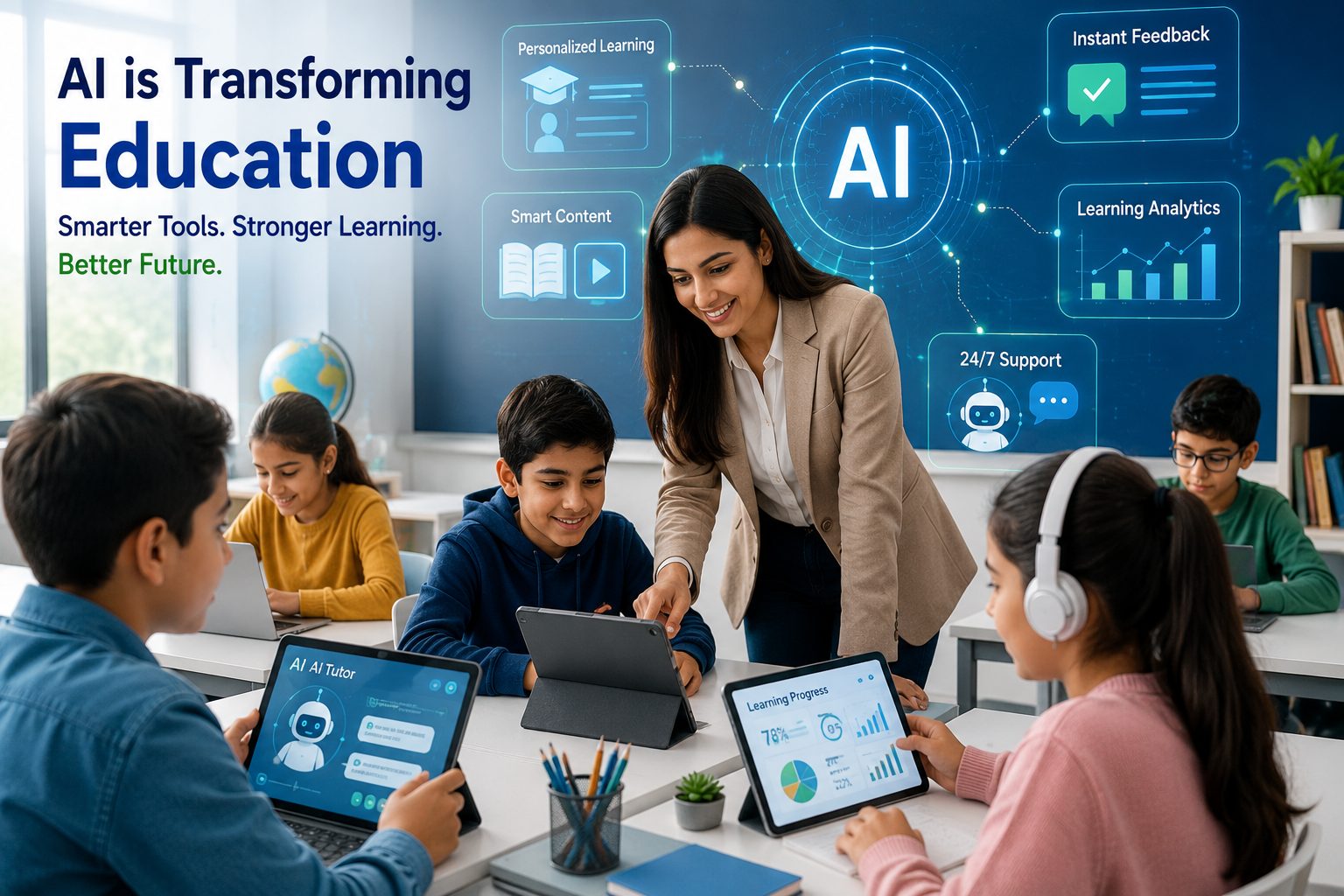
PowerPoint and Canva help learners turn ideas into clear, visual presentations and posters. Notion and Obsidian teach knowledge management: building linked notes, revision plans and personal study libraries that grow over years, not weeks. AI assistants explain difficult concepts, generate practice questions and give instant feedback, so every student can learn at their own pace.
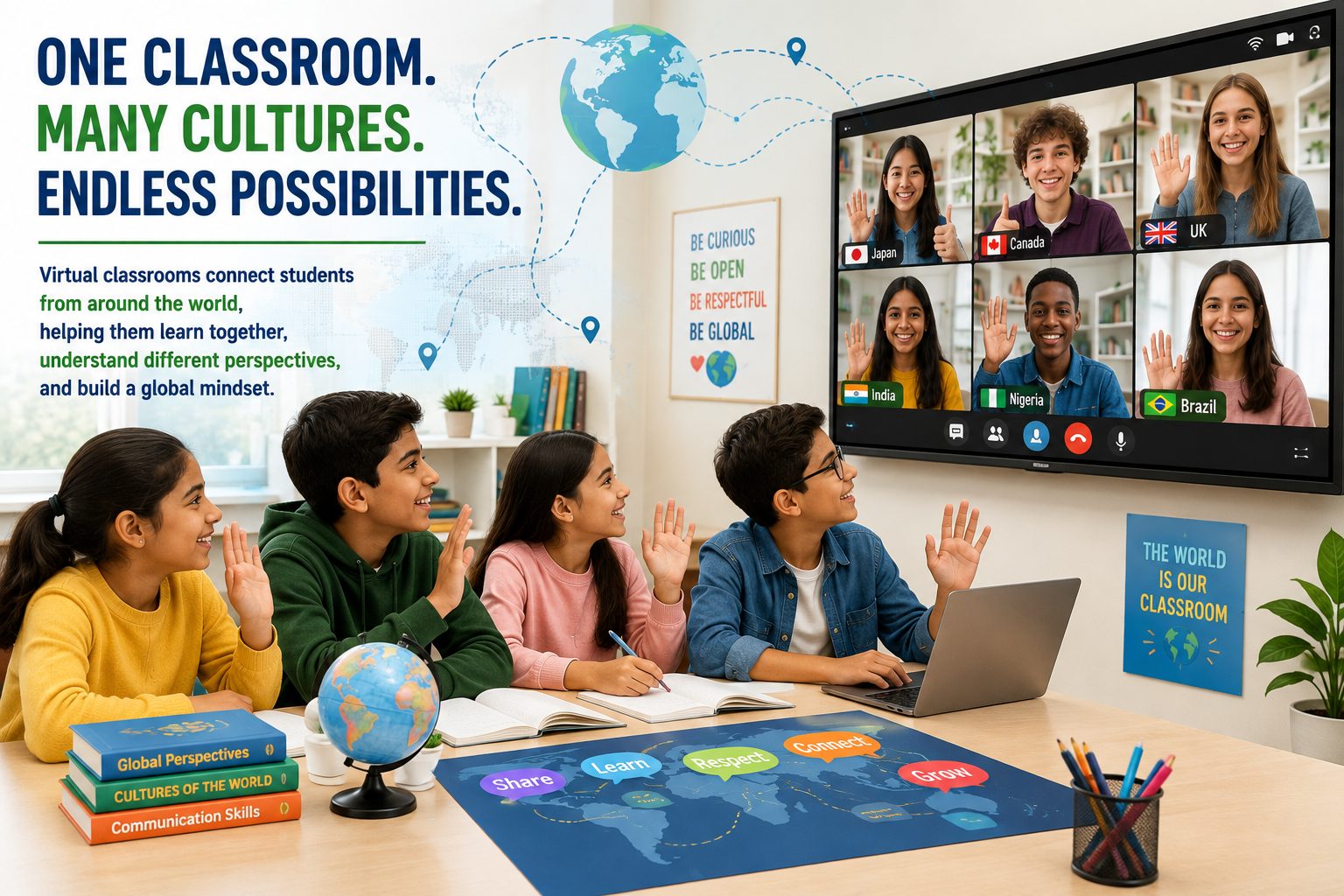
Cloud platforms like Google Drive and OneDrive mean work is never lost and can be shared with teachers in seconds. Miro boards turn group projects into live, visual brainstorming sessions where every student contributes, even from different cities or countries.
A traditional classroom rarely offers this. With few computers, no shared cloud space and a whiteboard wiped clean at the end of every lesson, students lose much of what they learn and miss the chance to build real digital confidence.
At Virtual City School, technology is part of every lesson. Our Cambridge O Level and A Level students learn on interactive platforms, collaborate online and use modern tools every day, preparing them not only for their exams but for the digital, AI-driven world beyond them.